Firefighting Water and Firewater Runoff & Containment Requirements for BESS Sites

Battery Energy Storage System (BESS) sites are becoming a major part of the UK’s energy infrastructure, supporting renewable generation, grid resilience and high-demand electrical schemes. However, BESS developments also bring specific fire safety and environmental protection considerations. For consulting engineers and drainage designers, one of the most important questions is now: how should firefighting water […]
Case Study | Supporting Sustainable Sewage Treatment Logistics at Axis Works, Avonmouth | Wastewater
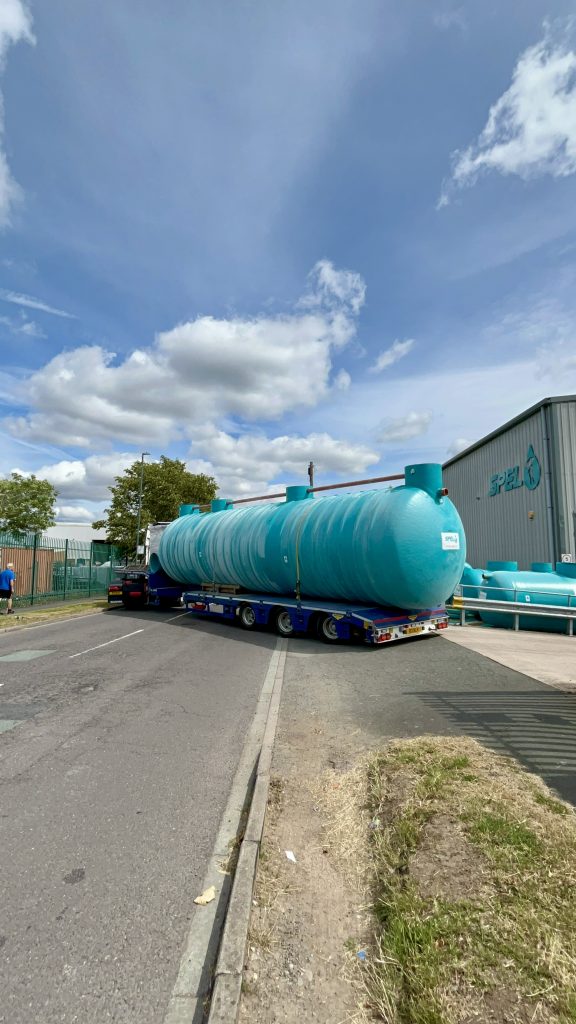
Major logistics and distribution hubs continue to expand across the UK, and supporting infrastructure that is resilient and environmentally responsible has become increasingly important. At Plot 1, Axis Works, Avonmouth, SPEL Products supplied one SPEL PuraFluent® Sewage Treatment Plant System comprising of two tanks (PF300/HVY) to support the site’s up to 300 population equivalent […]
Case Study | Supporting Environmental Protection at London Road CSO, Northwich | SPEL Pump Stations
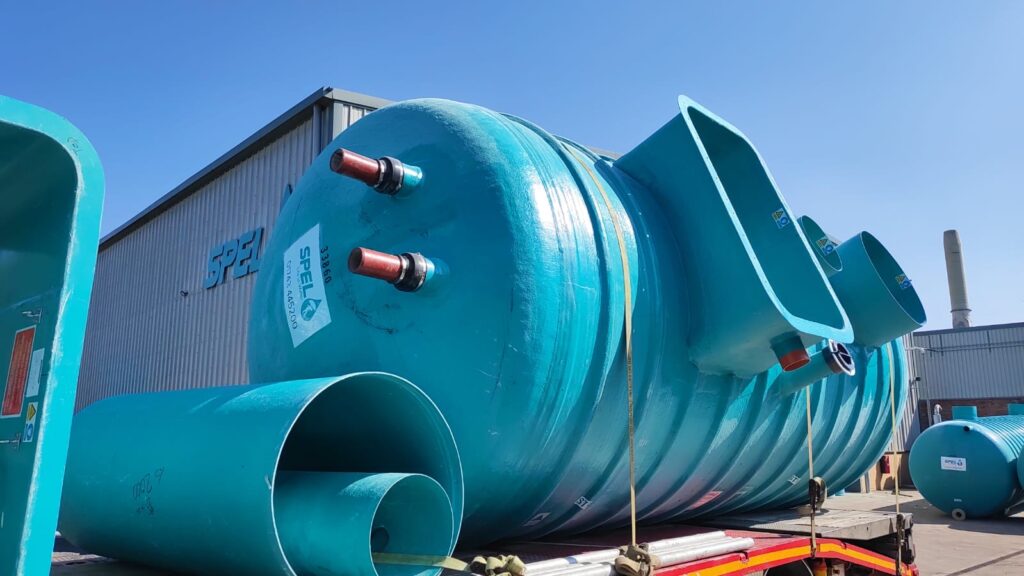
A Bespoke Pumping Station Solution for United Utilities As water companies continue to invest in improving the performance and environmental resilience of the UK’s wastewater infrastructure, storm overflow management remains a key area of focus. For the London Road Combined Sewer Overflow (CSO) project in Northwich, Cheshire, SPEL Products supplied a bespoke SPEL WRc […]
From Risk to Resilience: Why Synthetic/Midel Oil Separators Matter More Than Ever
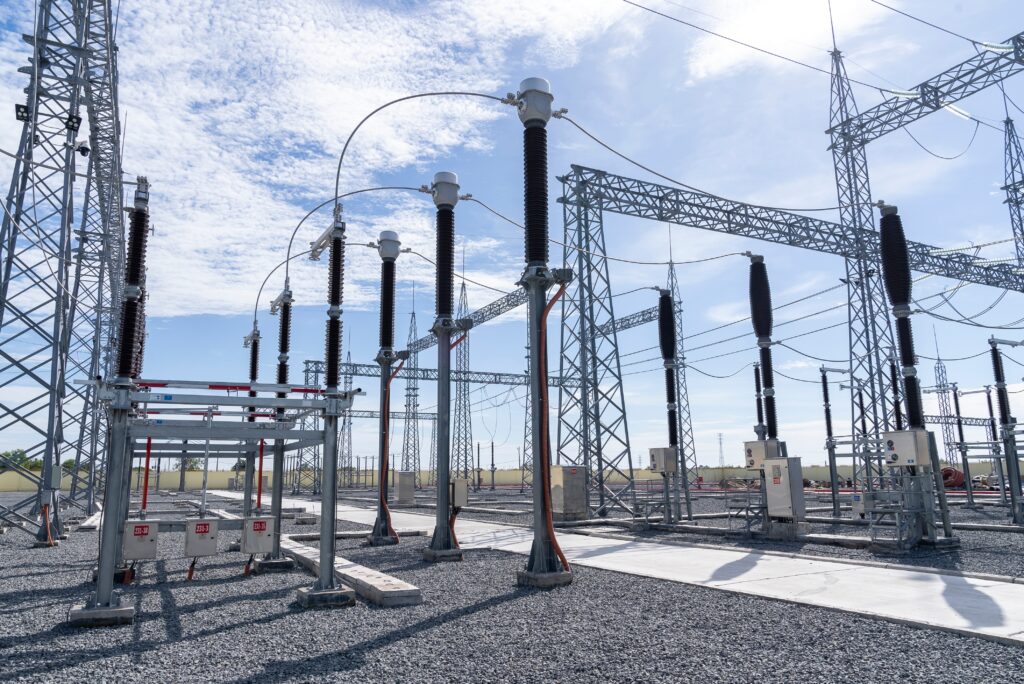
In critical infrastructure, prevention is rarely headline news. Unfortunately, failures often are. The events surrounding the North Hyde electrical substation fire near Heathrow Airport in March 2025 demonstrated just how significant the consequences of transformer-related incidents can be (original news article). Reports indicated that a transformer containing approximately 25,000 litres of cooling oil caught fire, […]
Case Study | SMC Mini-mix Concrete, Shawbury, Shropshire | SPEL Attenuation & Separator

The combination of the systems provided to this site will create a reliable and efficient drainage strategy for the site. Surface water is now managed in a controlled and effective way, reducing the risk of flooding and ensuring the infrastructure can cope with peak rainfall conditions.
What Happens When AdBlue Becomes Contaminated with Oil – And Why It Matters
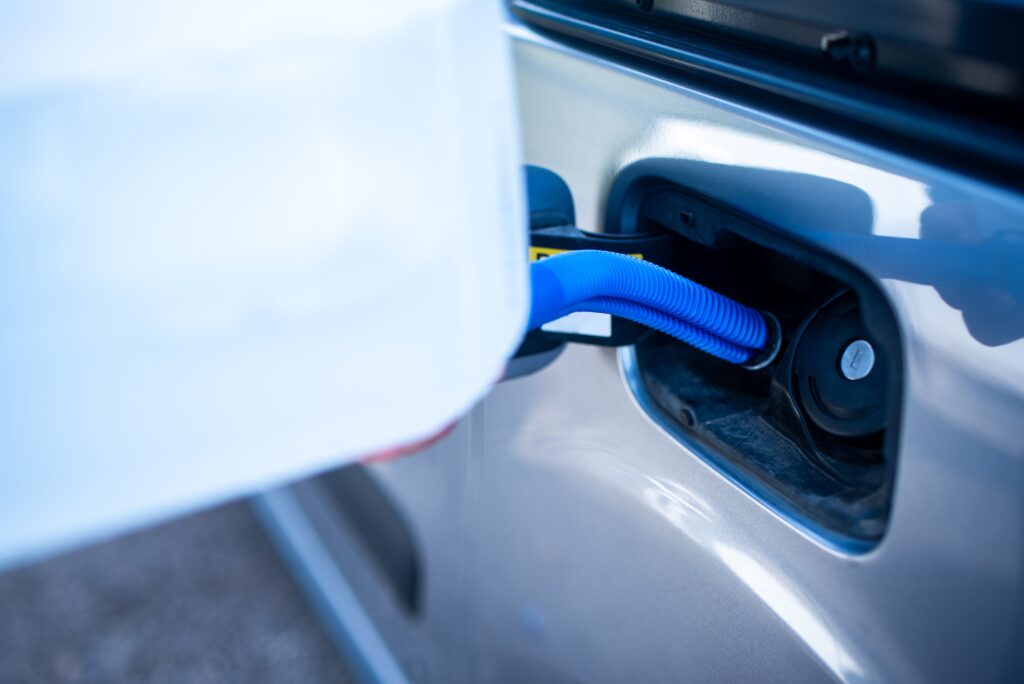
In a recent SPELGuard service visit, a SPEL engineer uncovered a serious and often overlooked issue inside a SPEL Separator system. What should have been a routine inspection quickly revealed a much larger problem: AdBlue entering the separator, something that should never occur under normal operating conditions. This resulted in a thick, black, tar-like substance […]
Case Study | Hereford Railway Station Bus Transport Hub | Treating Surface Water Runoff
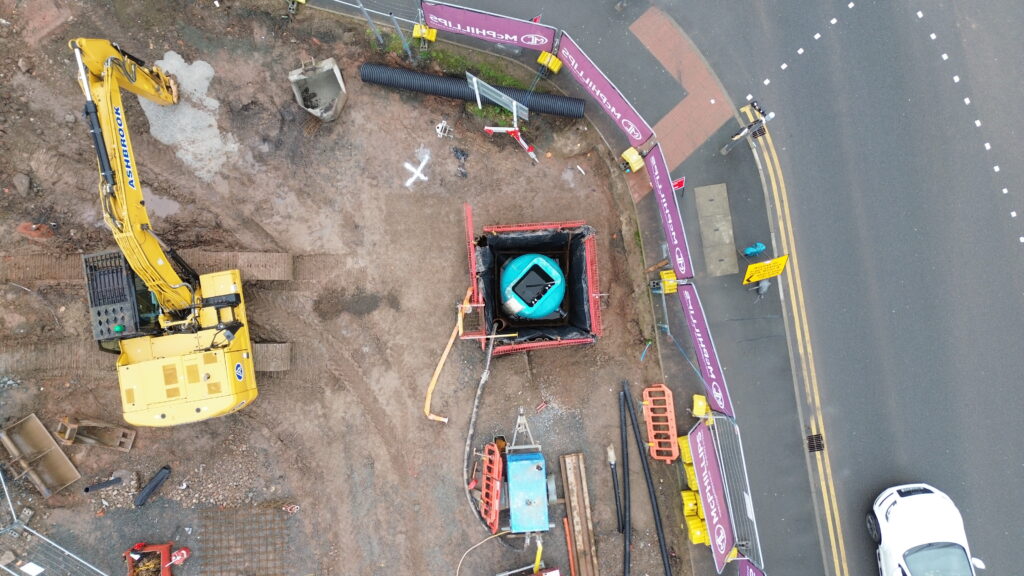
Located in Hereford, the Hereford Railway Station Bus Transport Hub is a key regional interchange, connecting rail and bus services. As part of ongoing infrastructure improvements, the site required a robust drainage solution capable of managing surface water runoff while protecting the surrounding environment from pollution. Given the nature of transport hubs, with constant vehicle […]
Case Study | Titan Logistics Park, Plot 2050B
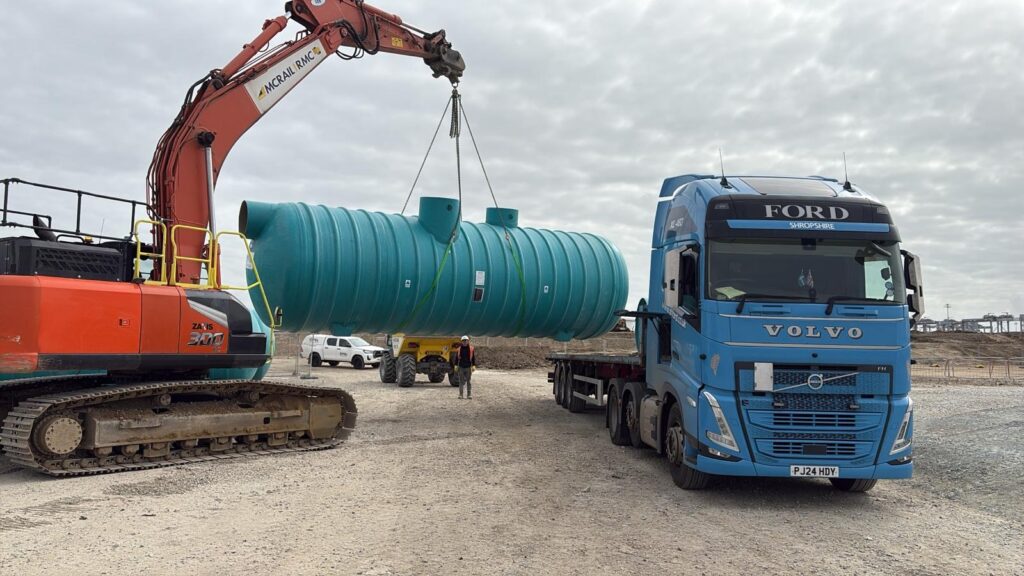
Titan Logistics Park, Plot 2050B forms part of a major expansion of DP World’s existing logistics hub.
Case Study | Henllan Farm
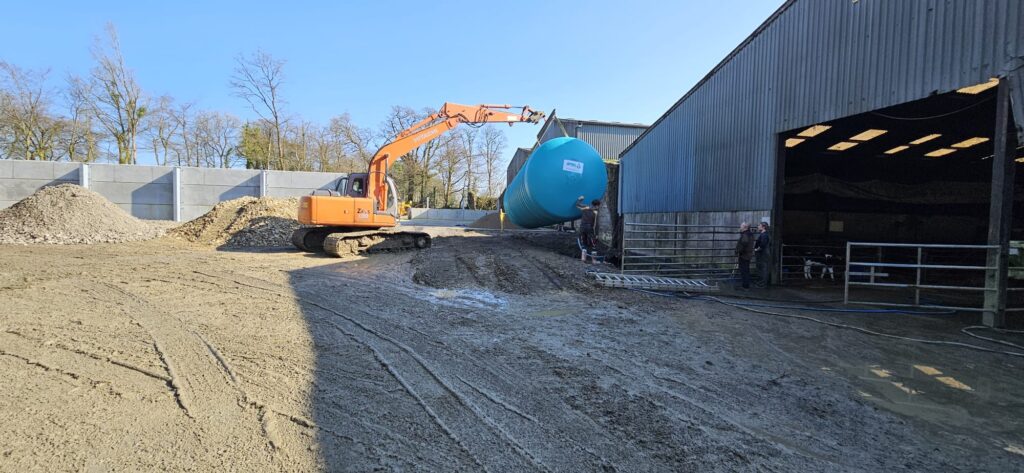
Henllan Farms required a reliable, long-term storage solution that would support both environmental protection and efficient farm management.
Are Oil Separator Alarms a Legal Requirement? UK Legal Requirements for Oil Separator Alarms
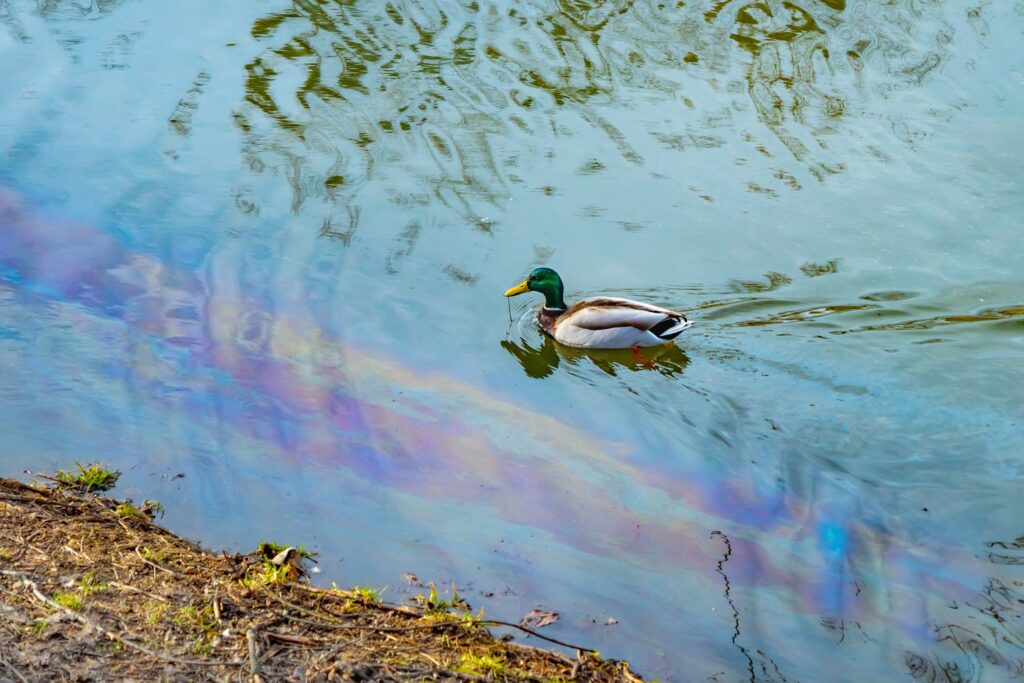
In the UK, businesses that discharge surface water potentially contaminated with hydrocarbons (such as from vehicle servicing areas, car parks or industrial yards) increasingly face stringent regulatory requirements to prevent pollution of drains, groundwater and watercourses. One key area of compliance is the use and ongoing management of oil separators – including the installation of […]