In a recent SPELGuard service visit, a SPEL engineer uncovered a serious and often overlooked issue inside a SPEL Separator system. What should have been a routine inspection quickly revealed a much larger problem: AdBlue entering the separator, something that should never occur under normal operating conditions.
This resulted in a thick, black, tar-like substance coating the bottom and sides of the separator, ultimately blocking the internal filter and compromising the system’s performance.
This incident highlights a critical risk that many sites may not be aware of.
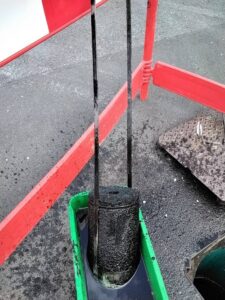
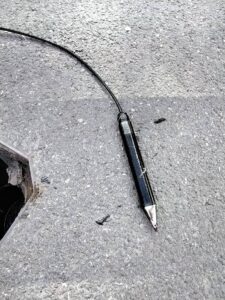
Understanding the Problem
AdBlue is a high-purity urea solution designed for use in Selective Catalytic Reduction (SCR) systems to reduce vehicle emissions. It is water-based, non-toxic, and chemically very different from oils and hydrocarbons.
SPEL Separators, on the other hand, are specifically designed to handle oil and water mixtures, separating hydrocarbons from water before discharge.
When AdBlue enters an interceptor, the system is forced to handle a substance it was never designed to process.
What Happens When AdBlue and Oil Mix?
When AdBlue becomes contaminated with oil, or enters a system containing oil residues, the chemical interaction can lead to several issues:
Sludge formation and fouling
The mixture can form a dense, black residue that sticks to the tank’s walls and internal components.
Blocked filters and coalescers
This sticky substance can clog critical parts of the separator, leading to reduced efficiency or even complete system failure.
Poor discharge quality
The separator’s ability to remove oil is compromised, increasing the risk of polluted water being discharged.
Increased maintenance and operational downtime
Cleaning and repairing contaminated systems can be time-consuming and costly.
Why This is Dangerous
The risks go beyond operational inconvenience:
Environmental pollution – Contaminated discharge entering drains or waterways
Regulatory non-compliance – Breaching discharge consent limits
Asset damage – Long-term degradation of separator components
Unexpected costs – Emergency maintenance, replacements, and downtime
How to Prevent AdBlue from Entering Oil Separators
Prevention starts with good site design and operational awareness:
- Ensure AdBlue storage and dispensing areas are isolated from oil drainage systems
- Install dedicated drainage for AdBlue handling zones
- Carry out routine inspections and maintenance
SPEL’s Solution: Pollution Monitoring & Containment
At SPEL Products, we specialise in protecting sites and applications from exactly these types of risks.
AdBlue Capture & Containment Systems
Our Automatic Pollution Monitoring & Containment Systems are designed to detect harmful contaminants in real time and prevent them from entering the drainage network. These systems automatically isolate and contain polluted flows, making them ideal for managing AdBlue spills and eliminating potential cross-contamination risks. By designing the drainage system to isolate the AdBlue handling area from the main surface water or foul water network, and running this dedicated catchment area through a SPEL AdBlue Capture and Containment System, you can mitigate the AdBlue pollution spill risk, ensuring the AdBlue spills are properly captured and contained. It is highly recommended to run the AdBlue catchment area into the foul drainage network, as although SPEL AdBlue Capture and Containment Systems will capture a AdBlue spill, the small drips and drops of AdBlue are very difficult to treat/capture and therefore downstream treatment as part of the foul drainage system is highly recommended.
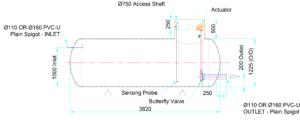
Learn more anout our AdBlue Spill Containment here:
Adblue Spill Containment
Our oil separators are engineered for reliable, compliant performance in managing hydrocarbon-contaminated water. When protected from incompatible substances like AdBlue, they deliver long-term efficiency and reliable environmental protection.
Explore our solutions:
Why Choose SPEL Products?
✔ Industry-leading expertise in pollution prevention and containment
✔ Proven quality solutions for interceptors, separators, and drainage systems
✔ Trusted by a vast range of clients across industrial, transport, and infrastructure sectors
✔ Designed to help you protect the environment and stay compliant
The discovery of AdBlue contamination within a separator is a clear reminder of how critical proper fluid management is on-site.
By understanding the risks and implementing the right containment and separation solutions from the start, sites can protect their infrastructure, maintain compliance, and avoid costly disruptions.
If you’re unsure whether your current setup adequately protects against these risks, it may be time for a closer look – we’re happy to help:
(01743) 445 200 / sales@spelproducts.co.uk