In critical infrastructure, prevention is rarely headline news. Unfortunately, failures often are.
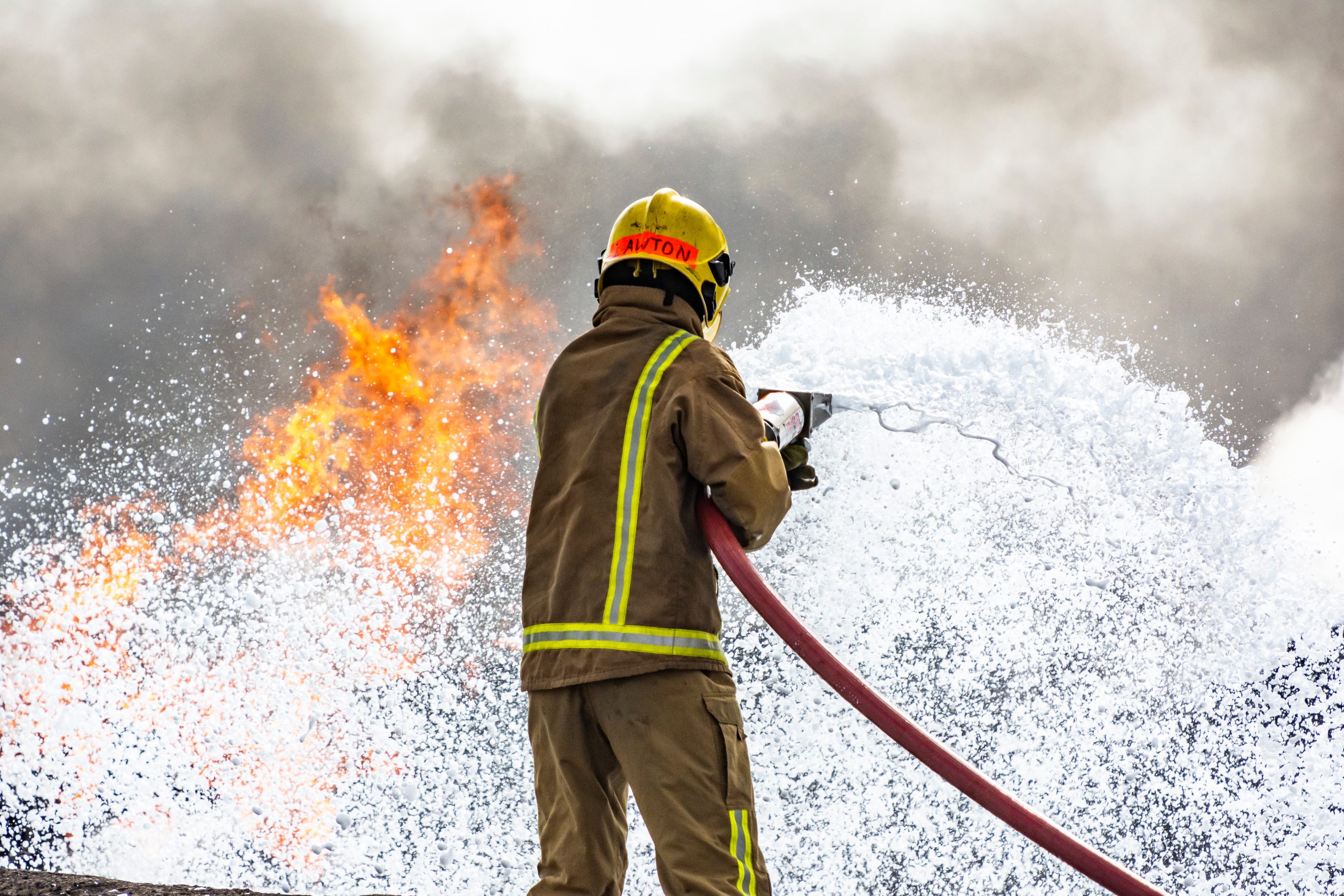
The events surrounding the North Hyde electrical substation fire near Heathrow Airport in March 2025 demonstrated just how significant the consequences of transformer-related incidents can be (original news article). Reports indicated that a transformer containing approximately 25,000 litres of cooling oil caught fire, contributing to widespread power disruption, airport closures, flight cancellations and impacts extending far beyond the immediate site.
While investigations into individual incidents focus on root causes and infrastructure resilience, they also highlight a broader industry shift: the increasing adoption of synthetic transformer fluids such as Midel and other ester-based oils, designed to offer enhanced fire safety characteristics compared with traditional mineral oils.
As the use of these specialist fluids continues to grow across the UK’s electrical infrastructure, so too does the need for containment and separation systems specifically engineered to handle them effectively.
The Evolution of Transformer Fluid Safety
For decades, mineral oil was the standard insulating and cooling medium used within transformers. While highly effective electrically, mineral oils are combustible and can contribute significantly to fire severity if a catastrophic transformer failure occurs.
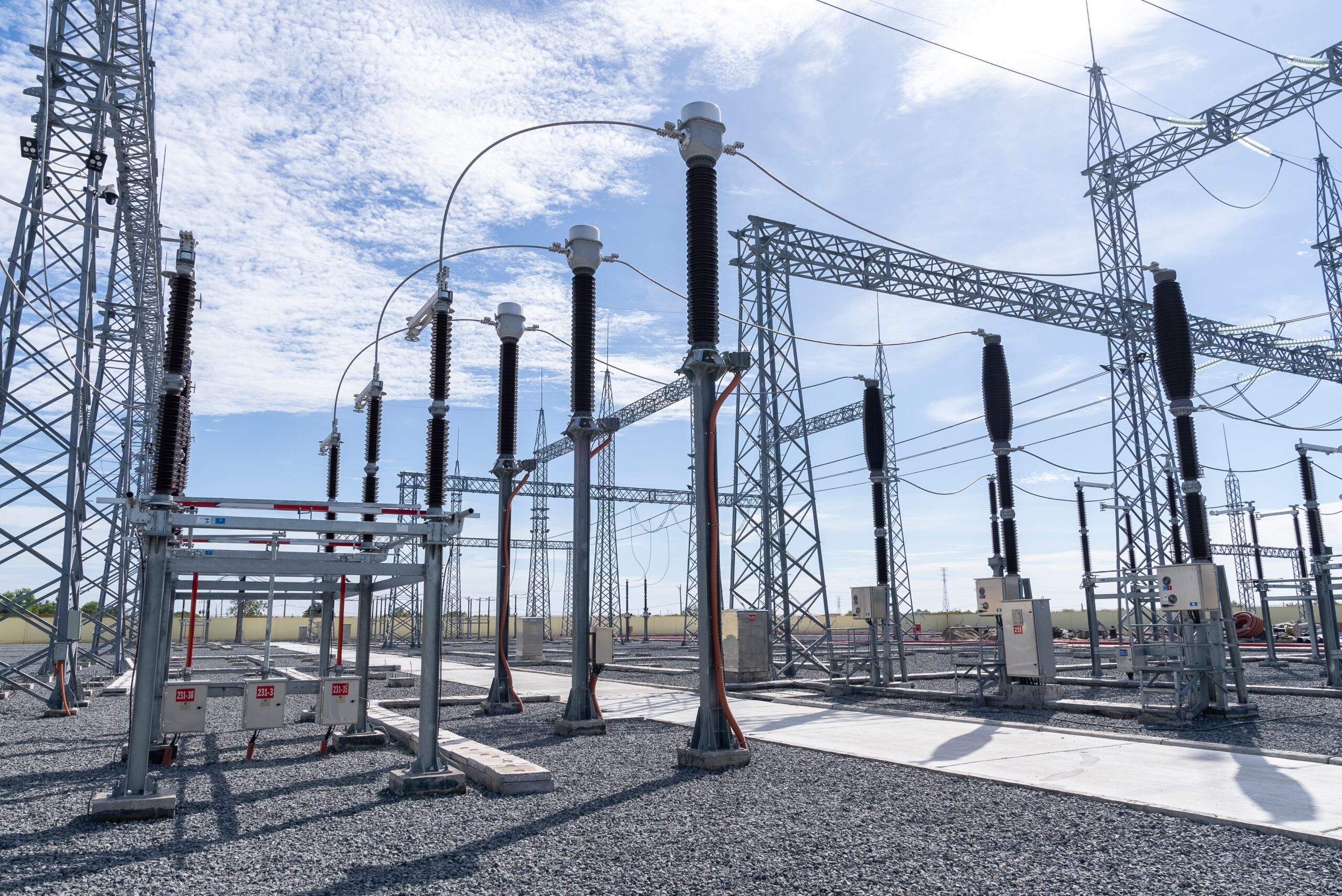
The electrical industry has increasingly moved towards synthetic ester fluids, including Midel and other synthetic cooling oils, because they offer substantially improved fire safety properties. The adoption of these fluids is particularly common in installations where public safety, environmental protection and infrastructure resilience are paramount, including:
- Grid substations
- Renewable energy installations
- Rail infrastructure
- Urban power networks
- Data centres
- Critical industrial facilities
The goal is simple: reduce the likelihood and potential impact of major transformer fire incidents.
Why Conventional Oil Separators Are Not Suitable
Although synthetic transformer oils deliver important safety benefits, they also introduce a new challenge.
Traditional oil separators are designed around the behaviour of mineral oils. Synthetic esters behave differently in water and require specialist separation technology to achieve effective performance. Synthetic esters have a specific gravity very close to water which makes separating it from water much more difficult than mineral oil.
A separator that performs well with conventional hydrocarbons will not provide the same level of treatment when faced with synthetic transformer fluids. Engineers and infrastructure owners therefore need systems specifically designed, tested and manufactured to accommodate these new fluid technologies.
SPEL’s Role in Supporting Modern Power Infrastructure
At SPEL, we’ve seen first-hand how the requirements of the construction, utilities and energy sectors continue to evolve.
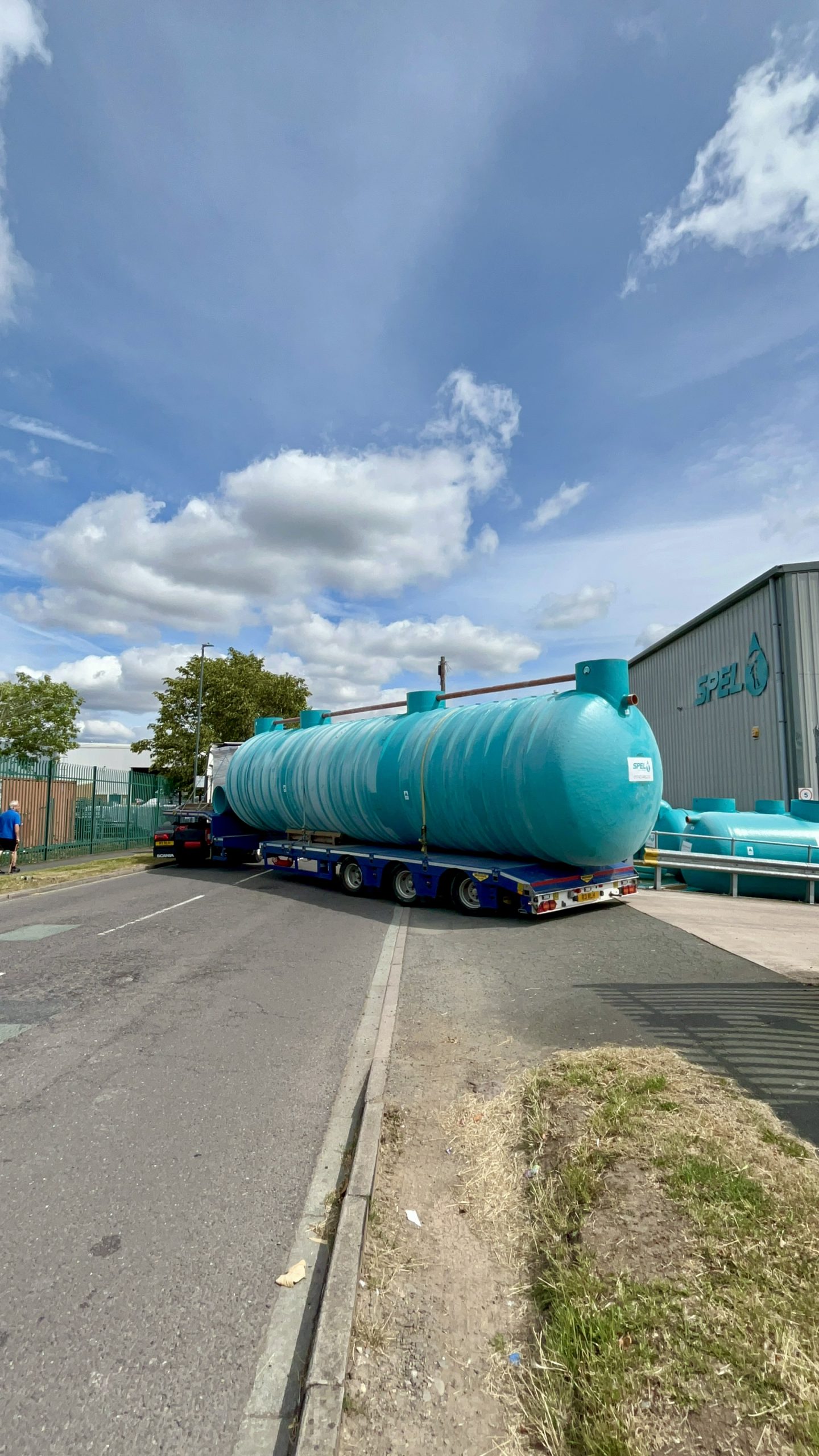
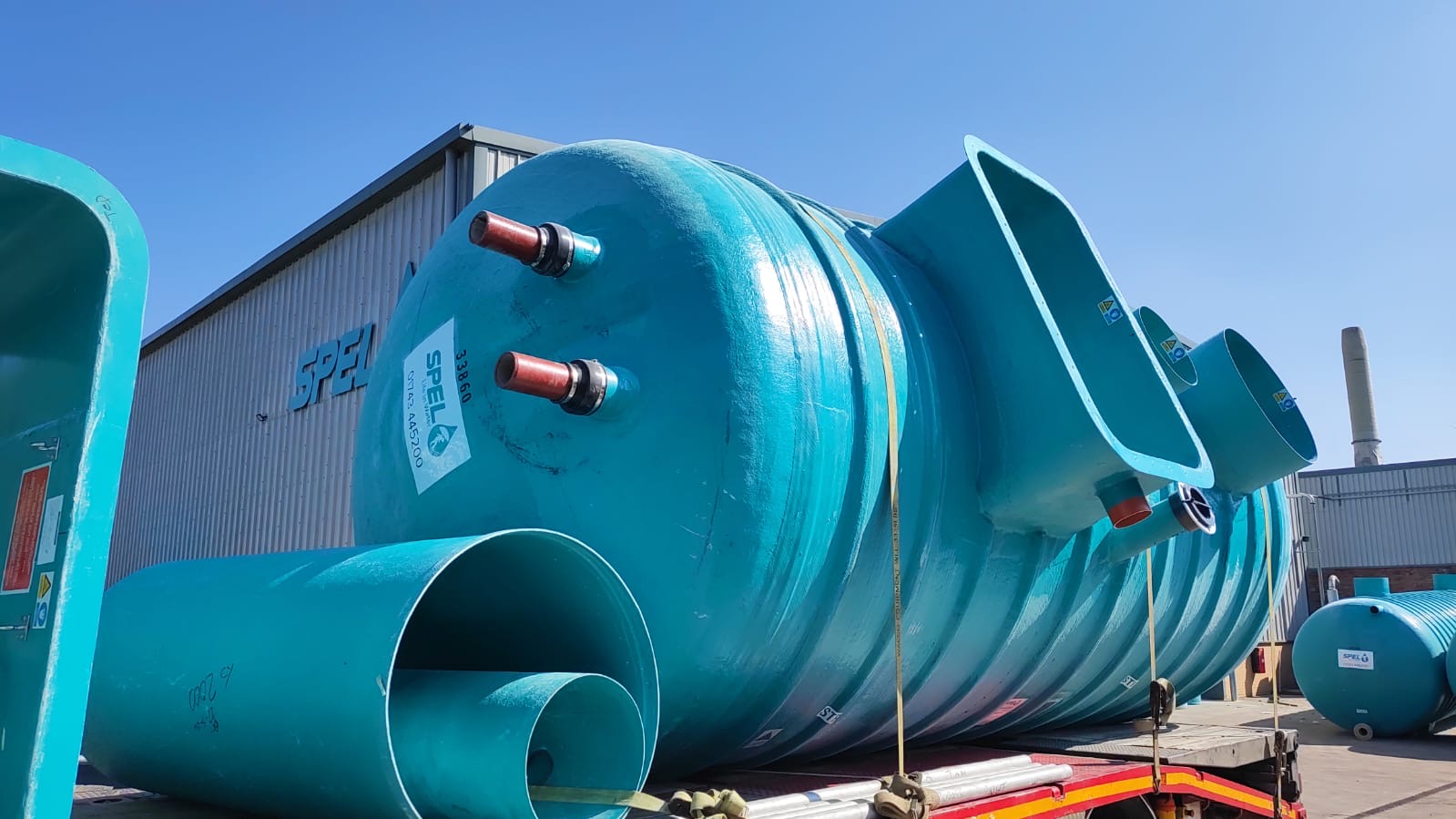
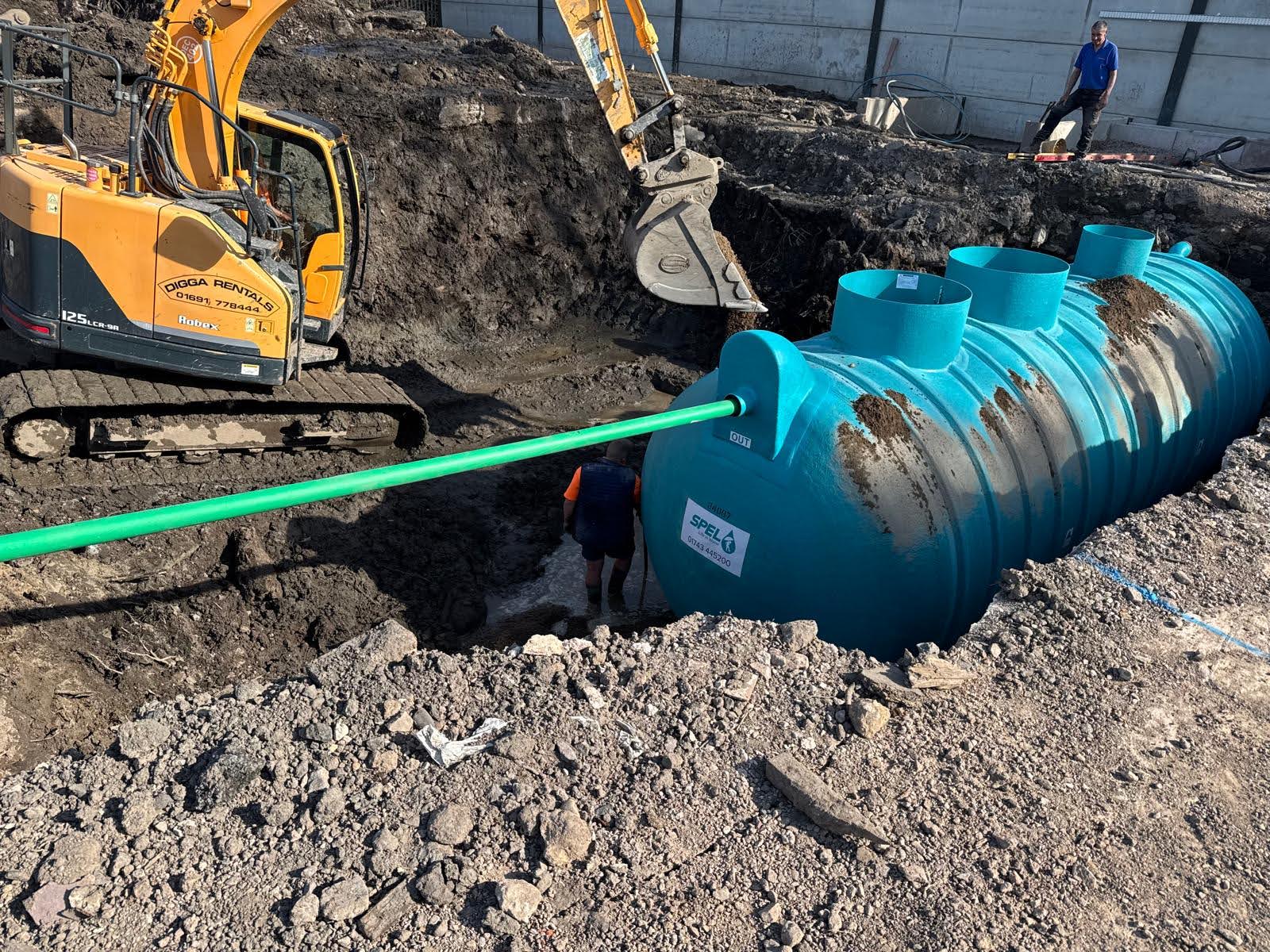
As an established UK manufacturer of pollution prevention and water management systems, we’ve developed our SPEL Synthetic/Midel Oil Separators specifically to address the challenges associated with synthetic transformer oils and ester-based cooling fluids.
Rather than adapting existing products designed for conventional hydrocarbons, these systems are engineered to provide reliable separation performance for the fluids increasingly found within modern electrical infrastructure.
SPEL have delivered a large number of the SPEL Synthetic/Midel Oil Separators already all throughout the National Grid network, across the UK and even into Europe as SPEL lead the way with this market leading solution.
This approach gives asset owners confidence that their environmental protection measures remain aligned with current transformer technologies and regulatory expectations.
Lessons from High-Profile Incidents
The Heathrow substation fire serves as a reminder that infrastructure resilience must be considered holistically.
While no single technology can eliminate every risk, the industry’s move towards synthetic transformer oils reflects a wider commitment to reducing fire hazards and improving safety outcomes. At the same time, operators must consider what happens after an incident, including containment, drainage protection and pollution prevention.
When thousands of litres of transformer fluid are involved, protecting downstream watercourses, drainage networks and the wider environment becomes a critical part of any resilience strategy.
Effective oil separation and containment systems therefore, form an essential layer within a broader risk-management framework.
Looking Ahead
The UK’s transition towards a more resilient, electrified future will require continued investment in substations, renewable energy infrastructure and power distribution networks, especially with large energy consumption required for critical infrastructure such as data centres
As transformer technology evolves, supporting environmental protection systems must evolve alongside it.
At SPEL, we remain committed to helping engineers, contractors and asset owners meet these challenges through the development and manufacture of high-quality, reliable separation systems designed for real-world conditions.
The increasing use of Midel and other synthetic transformer oils is a positive step forward for fire safety. Ensuring those fluids can be effectively managed and contained is equally important.
Because when it comes to critical infrastructure, resilience isn’t just about responding to failures; it’s about designing systems that help prevent their consequences from becoming something much bigger.