Put simply, the CIRIA SuDS Manual (c753) within the design assessment checklists require ‘suitable silt interception upstream’ of most attenuation systems. One of the central concepts of the SuDS Manual is that run-off should be treated as close as possible to source; it must then be attenuated and finally slowly released, in that order.
Jo Bradley of Stormwater Shepherds put it well: “Good sedimentation will remove a decent proportion of the pollutants and protect the downstream devices so that they can be healthy habitats for wildlife.”
Let’s have a look at the most common attenuation systems and what the SuDS Manual states in relation to each system:
Attenuation tanks including GRP (Fibreglass), geocellular tanks, steel, concrete, plastic tanks, arch chamber systems etc.
- One of the SuDS Manual attenuation storage tank checklist minimum design requirements is ‘Does the design include suitable silt interception upstream of system?’, signifying that upstream silt removal is required before an attenuation tank.
Ponds
- Section 23.1 of the CIRIA SuDS Manual (c753) states “Ponds and wetlands should always be designed with suitable upstream pre-treatment systems.”
- Furthermore, part of the minimum design requirements of the SuDS Manual ponds and wetlands checklist asks, ‘Does the design include suitable silt interception upstream of system?’
- SPEL have done a lot of work on SuDS devices installed in the real world and the cost of having to dredge a pond and remove and dispose the hazardous waste far outweighs the cost of installing and maintaining a pre-treatment device before the pond. Doing this also allows the pond to thrive for wildlife to enjoy.
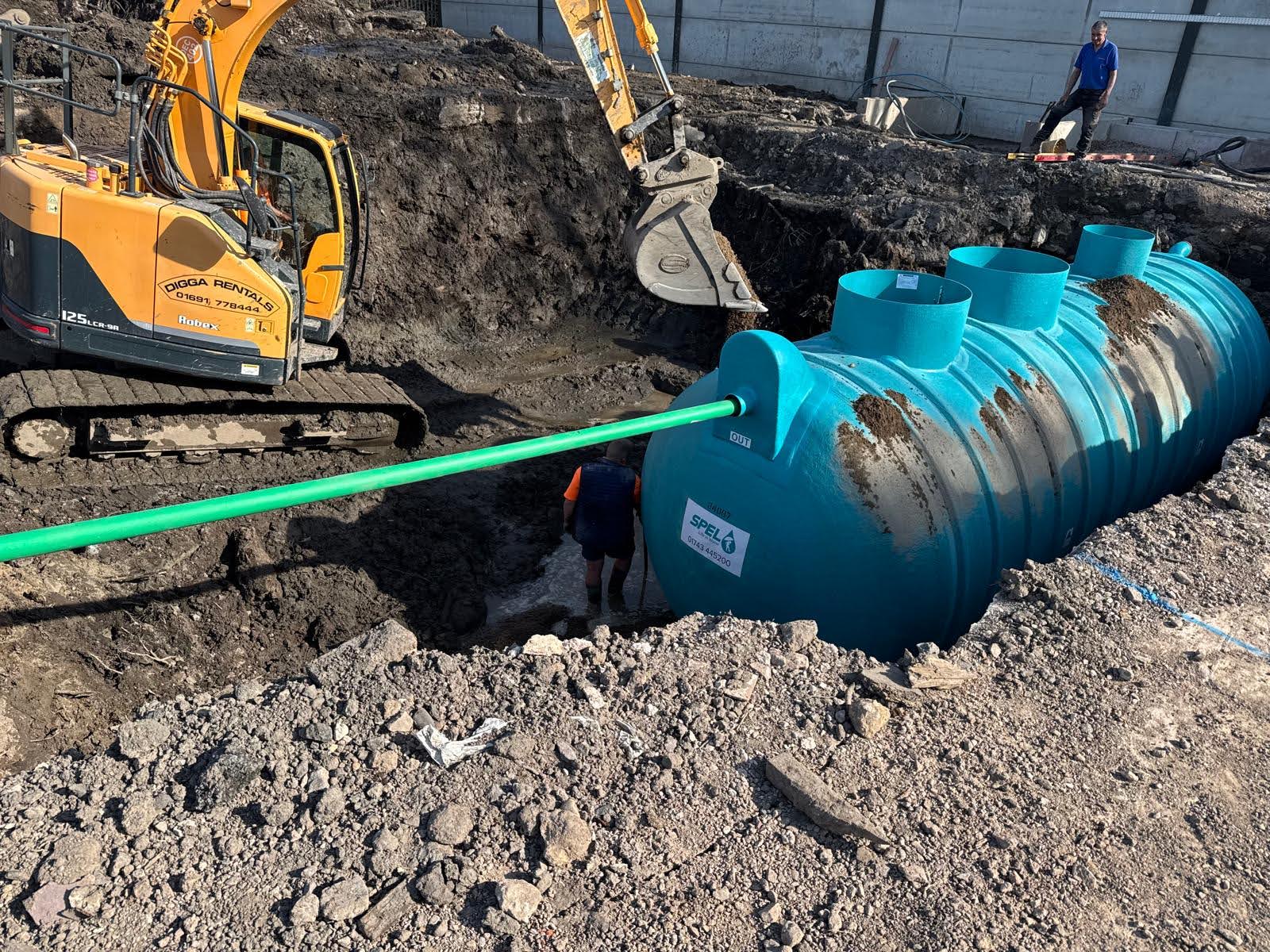
SPEL have two primary sediment removal devices that are ideal where sediment removal prior to attenuation systems is required:
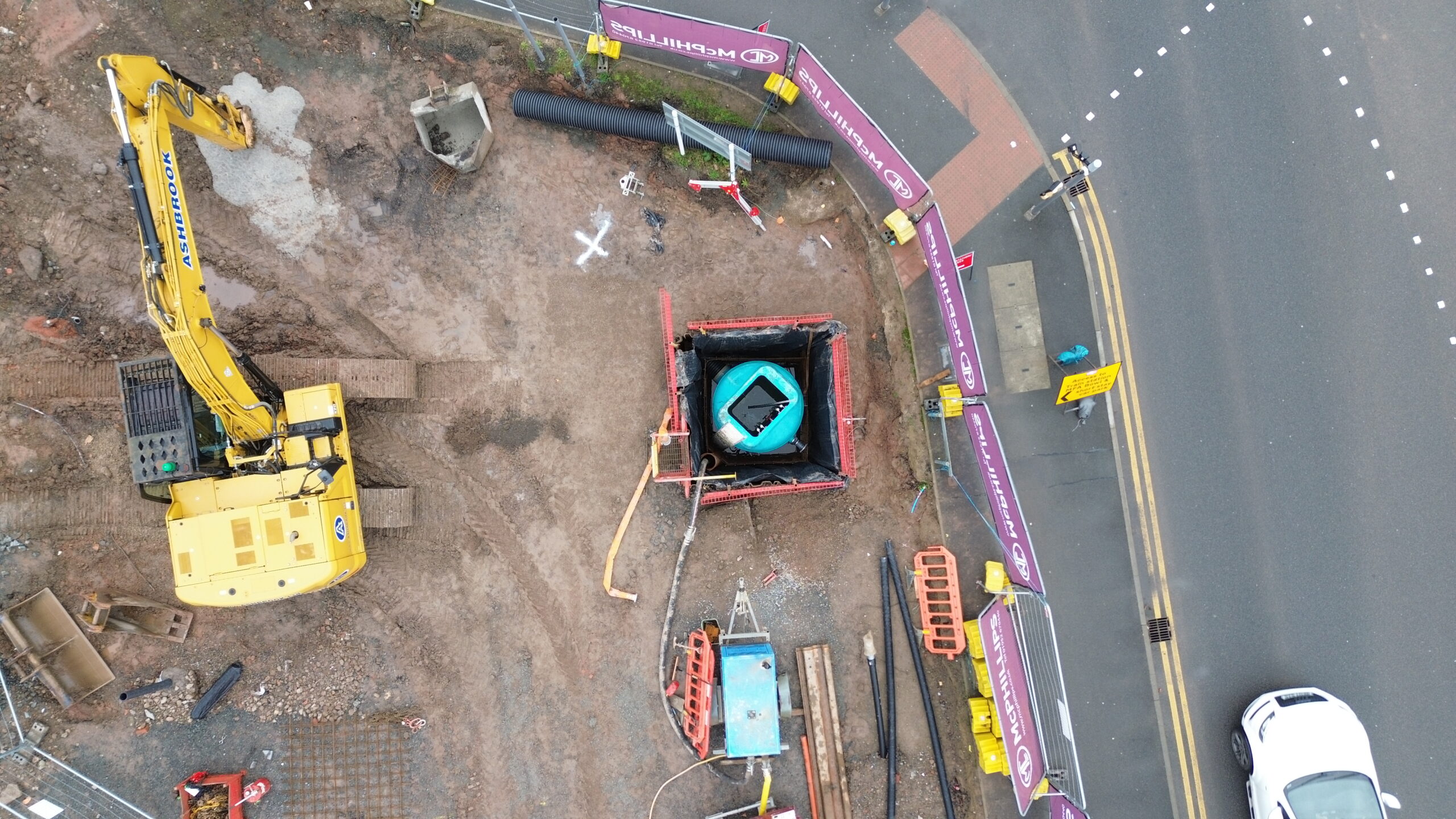
SPEL Smartceptor
The hydrodynamic vortex separator – with a difference
- Efficient capture and retention of hydrocarbons with the ‘clarifier pack’.
- Upper-level velocity drop ensures finer silt capture.
- Storm flows are separated from normal treatment flows with a horizontal partition – so no disturbance to captured pollutants.
- WRc Performance Declaration of testing results.
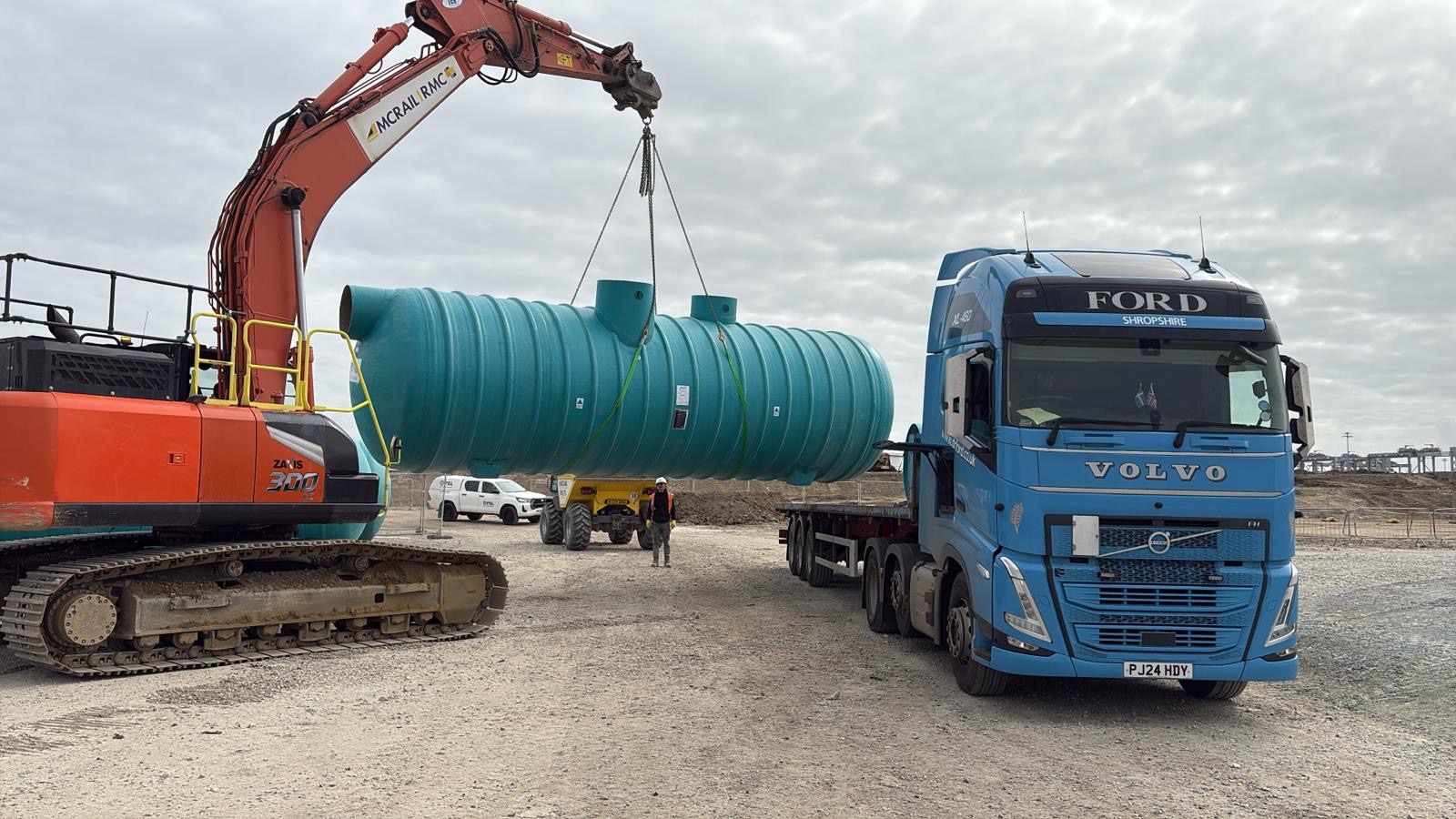
- ‘One piece’ lightweight strong filament wound GRP-corrosion resistant construction.
- 25 Year Tank Shell Warranty.

SPEL ESR Range
The complete SuDS treatment device – available in either bypass or full flow configurations.
- Meets medium risk pollution hazard index within a single unit
- Large storage capacities for captured pollution
- Internal inlet velocity suppression for increased silt retention
- Stainless steel coalescer unit with reticulated foam insert as the final treatment stage to increase pollution removal
- WRc/HR Wallingford Performance Declaration of testing results
- BS EN 858 certified
- ‘One piece’ lightweight strong filament wound GRP-corrosion resistant construction.
- 25 Year Tank Shell Warranty

SPEL also have a range of complete off-site built flow control chambers that can be installed downstream of the attenuation to allow for rapid on-site installation:

SPEL Stormcheck
Vortex and orifice plate flow control chambers – for rapid on-site installation
- Flow control device off-site fitted within chamber for rapid installation.
- ‘One piece’ lightweight, strong, filament wound GRP-corrosion resistant construction.
- Flow control devices to suit site requirements.
- 25 Year Tank Shell Warranty.
- Pipework installed to suit site requirements.
- Reduced H&S risk – no on-site fitting work within the chamber required.