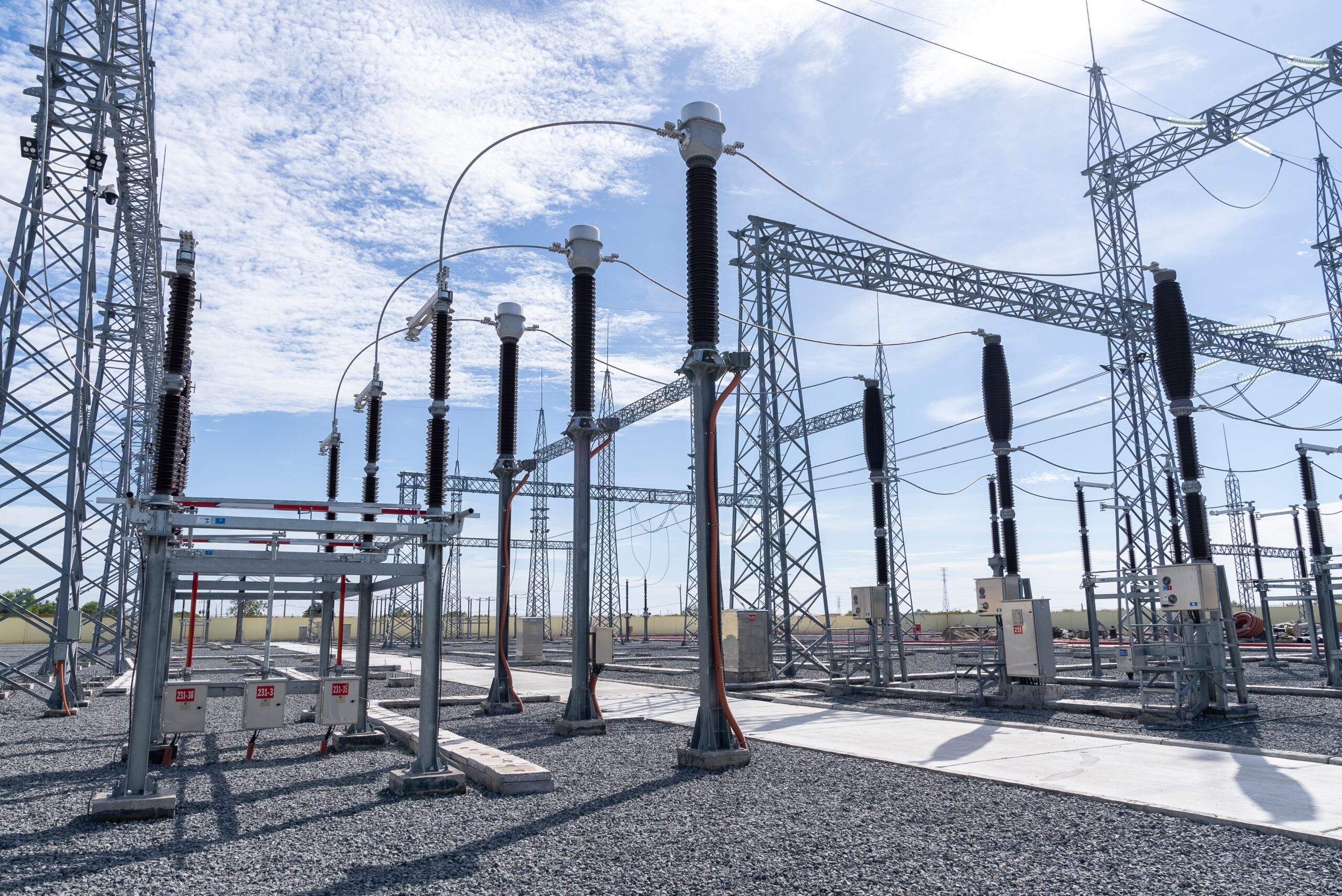
Battery Energy Storage System (BESS) sites are becoming a major part of the UK’s energy infrastructure, supporting renewable generation, grid resilience and high-demand electrical schemes.
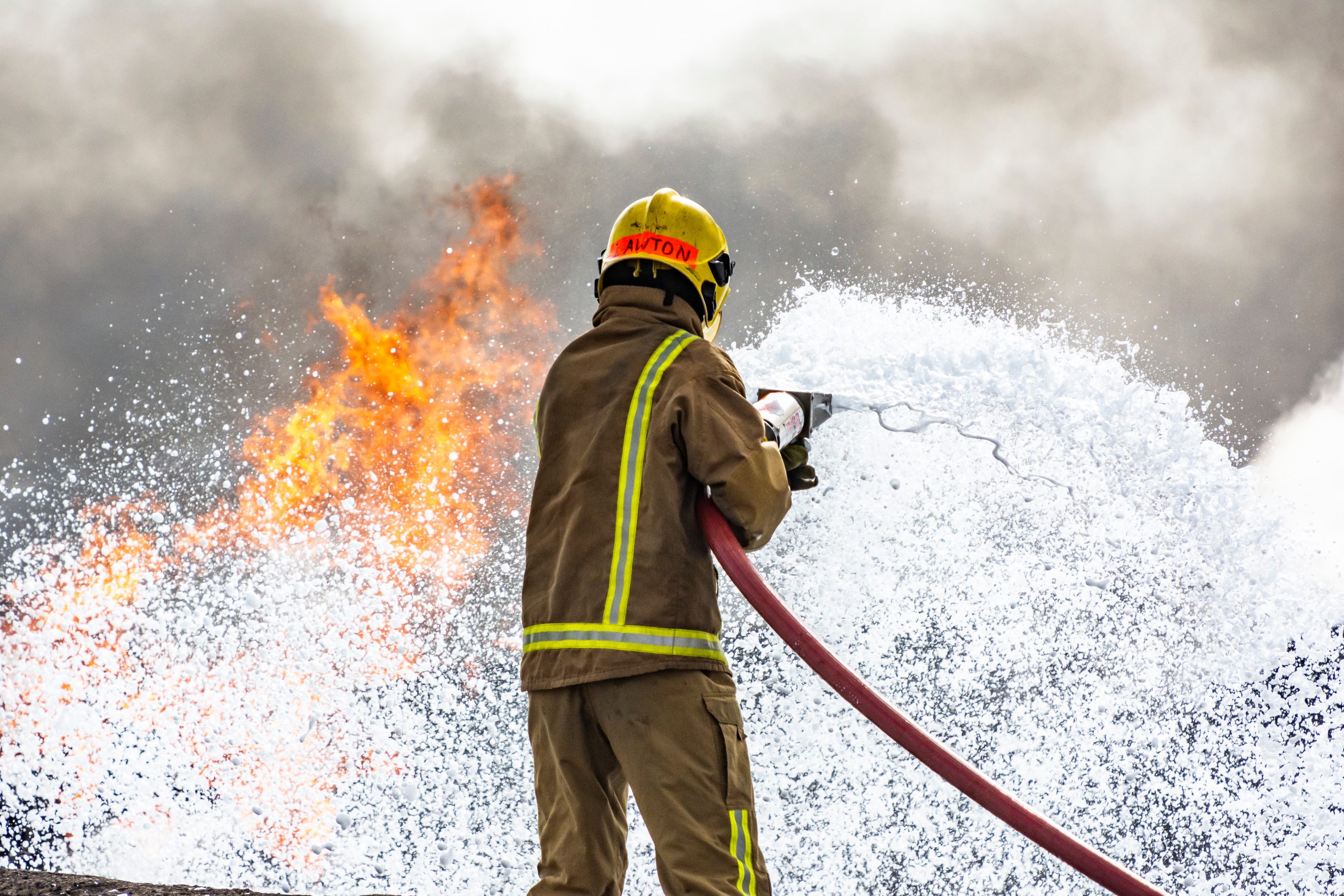
However, BESS developments also bring specific fire safety and environmental protection considerations. For consulting engineers and drainage designers, one of the most important questions is now: how should firefighting water and contaminated firewater runoff be managed?
Regulatory Background
The National Fire Chiefs Council (NFCC) has published guidance for grid-scale BESS planning. The guidance is intended for Fire and Rescue Services, local planning authorities, developers and designers, and it encourages early engagement between BESS developers, planners and the local Fire and Rescue Service.
Read the full guidance here: https://nfcc.org.uk/our-services/building-safety/grid-scale-energy-storage-system-planning-guidance-for-fire-and-rescue-services/
https://www.water.org.uk/sites/default/files/2025-07/National%20Guidance%20Document%20on%20the%20Provision%20of%20Water%20for%20Firefighting%20%284th%20edition%3B%20June%202025%29%20NFCC%20%28corrected%29.pdf
Importantly, BESS sites are generally dealt with through the planning process, and Fire and Rescue Services are not statutory consultees. However, the NFCC makes clear that early discussion with the local Fire and Rescue Service is good practice.
The NFCC guidance also states that BESS developers should prepare a robust battery safety management plan and emergency response plan, developed with the local Fire and Rescue Service. These plans should consider site access, water supplies, firefighting strategy, environmental receptors, drainage routes and firewater containment.
Alongside this, the National Guidance Document on the Provision of Water for Firefighting, produced by Water UK and the Fire and Rescue Services, remains an important reference point for water availability, hydrants and alternative water supplies.
From an environmental perspective, Environment Agency guidance on fire prevention and pollution prevention is also relevant. Sites should be designed so contaminated firewater runoff does not enter surface water, groundwater or uncontrolled drainage routes. After all, ‘The polluter pays’.
What Consulting Engineers Need to Design For
For BESS schemes, the drainage design should not only manage normal rainfall. It should also consider what happens during a fire or thermal event.
In practical terms, designers should consider:
• How much firefighting water may be required.
• Whether hydrants or mains water can provide the required flow.
• Whether on-site static water storage is needed.
• How contaminated firewater runoff will be captured.
• How drainage systems can be isolated during an incident.
• Where sensitive environmental receptors are located.
• How Fire and Rescue Service vehicles can safely access water supplies and containment systems.
For EV charging hubs, the same principles apply where there is a credible risk of vehicle fire, battery fire, contaminated runoff or pollution from associated hardstanding areas. The design should be proportionate to the site risk and agreed with the relevant approving authorities.
Firefighting Water and Contaminated Runoff Sizing Considerations
The NFCC BESS guidance gives a useful starting point for designers. It states that fire hydrants provided on BESS sites should achieve a flow rate of no less than 25 litres per second at any hydrant on site.
Where 25 litres per second cannot be achieved by water provided from the mains, the guidance recommends providing an equivalent static supply for 120 minutes at 25 litres per second. This equates to approximately 180,000 litres of water.
This should not be treated as a universal fixed requirement for every site, because the final design depends on the BESS layout, battery technology, firefighting strategy, built in fire suppression systems, site access and discussions with the local Fire and Rescue Service.
Contaminated firewater containment should also be calculated. A good design should consider:
• Firefighting water volume likely to be used.
• Any fixed suppression system which could be used over and above the firefighting water volume used by the local Fire and Rescue Service.
• Rainfall allowance during the incident.
• A freeboard/safety margin.
On many sites, contaminated runoff storage may need to be larger than the clean firefighting water storage, particularly where rainfall and additional safety margin are included.
How SPEL Can Help
SPEL can support consulting engineers with a range of products suitable for BESS, EV charging and wider power infrastructure drainage schemes where firewater supply/ containment is required.
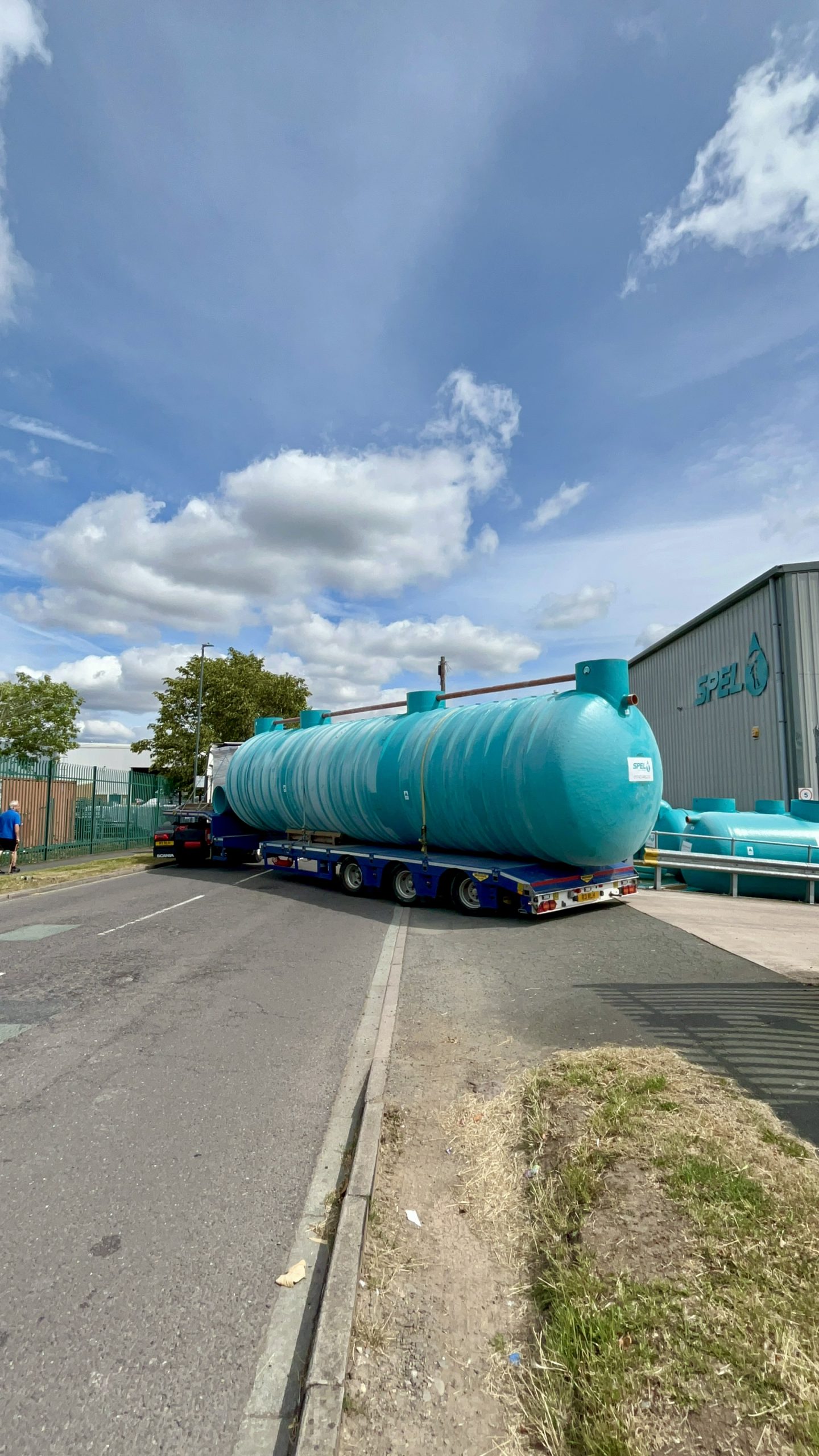
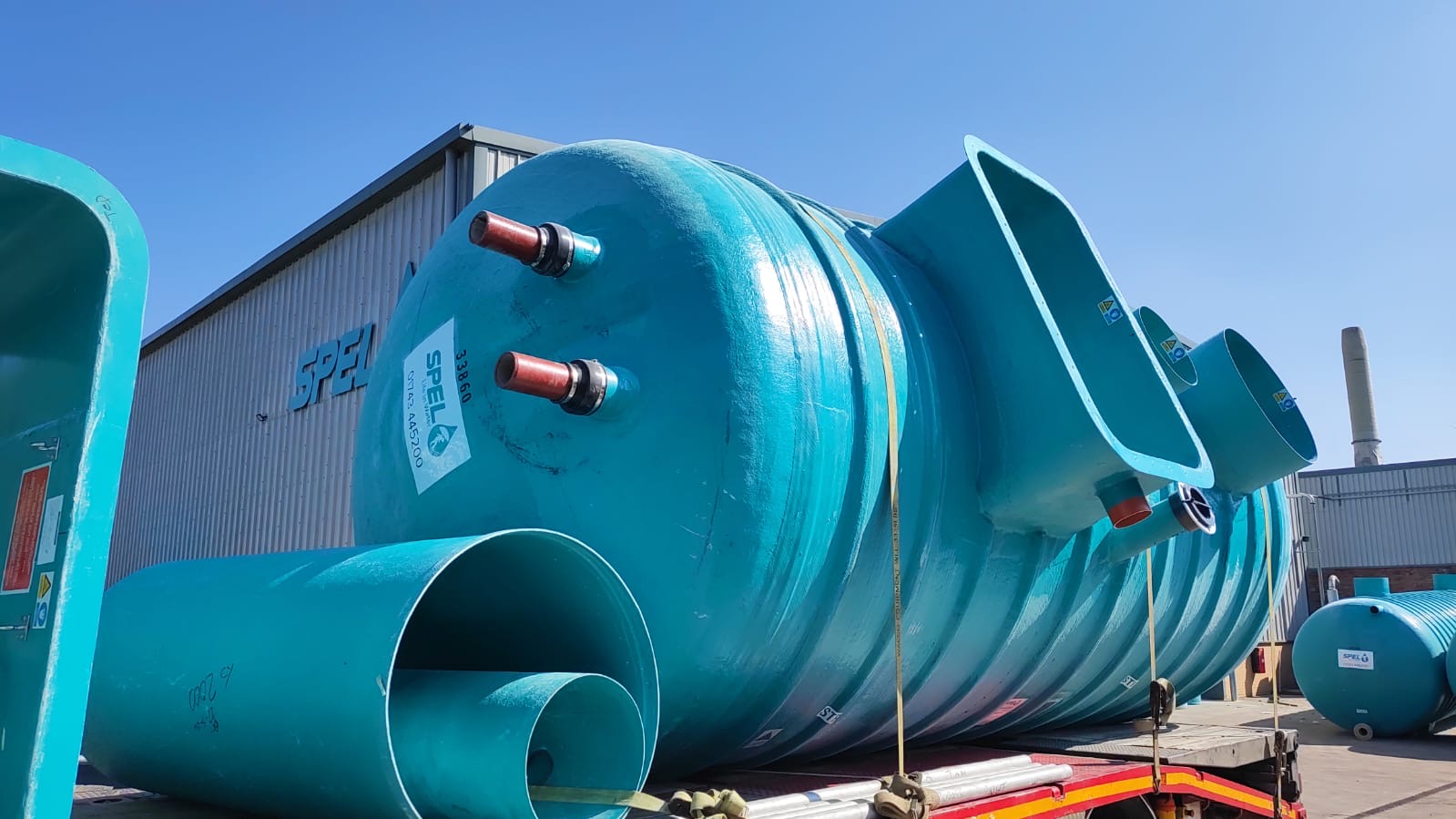
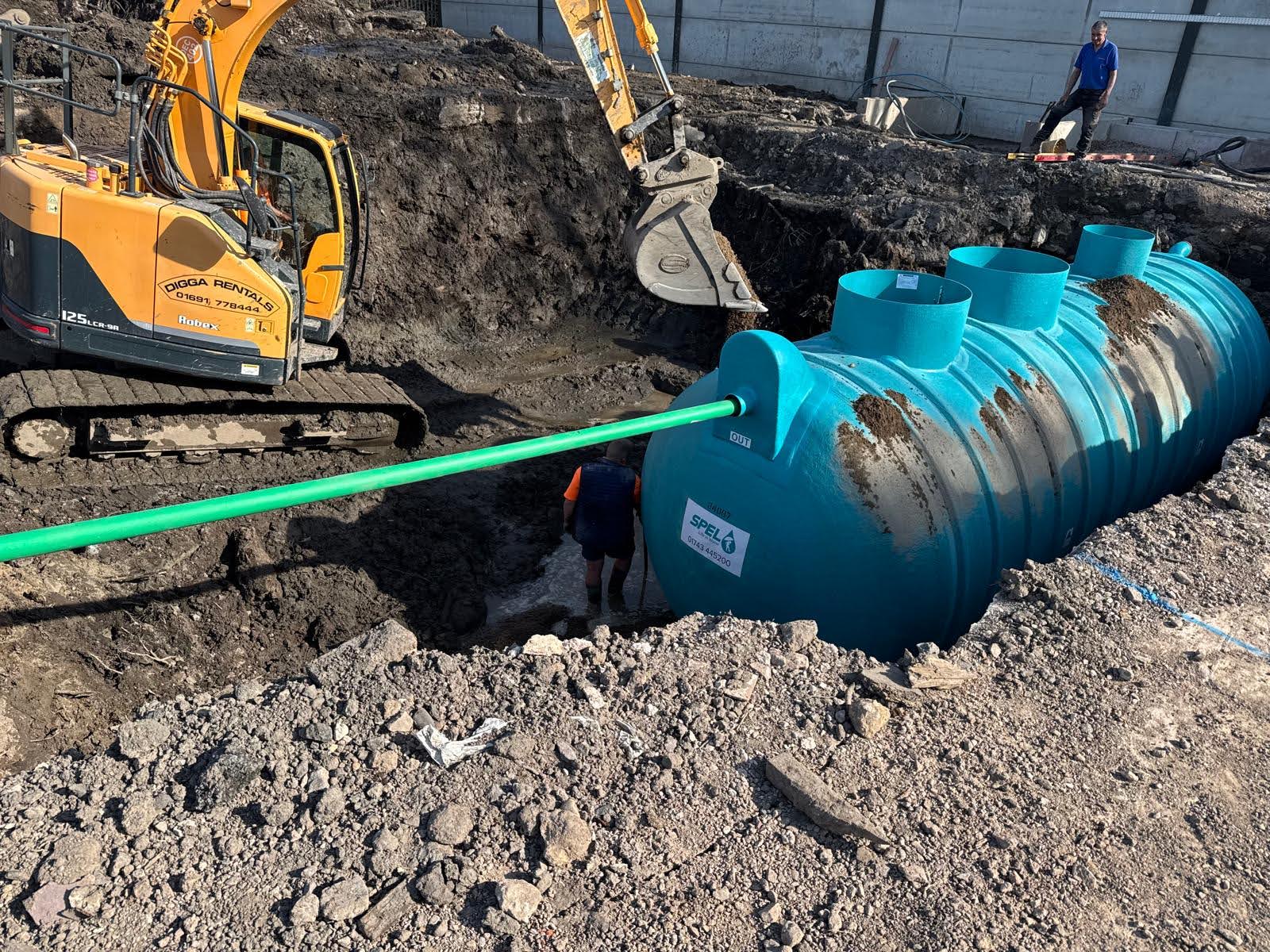
SPEL Tankstor® storage tanks can be used for clean firefighting water storage and contaminated firewater containment. Tankstor tanks are available in a wide range of sizes, ranging from 1,000 litres to 300,000 litres within a single unit. This allows for a single tank to potentially be used, for example when 180,000 litres is deemed sufficient clean firefighting water storage, a single 4m diameter SPEL Tansktor can be utilized. SPEL Tankstor’s can be bespoke designed to meet the site requirements and always carry the SPEL 25 Year Tank Shell Warranty and life expectancy in excess of 50 Years.
Where contaminated runoff needs to be captured and isolated, SPEL Automatic Pollution Monitoring and Containment Systems can be designed to, divert (to a nearby SPEL Tankstor) or close the drainage network, helping prevent polluted water reaching the outfall.
For sites where hydrocarbon pollution risk is present, such as access roads, transformer areas, parking areas or service yards, SPEL can also supply suitable separator systems. SPEL Puraceptor® National Grid Approved full retention oil separators are often used on electrical networks or our specialist SPEL Synthetic Oil Separator can be utilized for synthetic transformer oils where required.
Where collected water needs to be moved, transferred or tankered, SPEL Packaged Pumping Stations and associated chambers can form part of the wider drainage and containment strategy.
Conclusion
For BESS sites, firefighting water and contaminated runoff containment should be considered early in the planning and drainage design process.
The safest approach is to engage with the Fire and Rescue Service, identify the design fire scenario, calculate the required water and containment volumes, and ensure the drainage system can be isolated or controlled during an incident.
SPEL can help engineers develop practical, buildable solutions for firefighting water storage, contaminated runoff containment, pollution control and pumping infrastructure, as we have done for BESS sites across the UK and beyond. Chat to us about an upcoming project: sales@spelproducts.co.uk / (01743) 445 200
The information in this post is intended as a helpful overview. We strongly recommend that you read the original guidance in full and consider how it applies to your own circumstances. You can find the relevant guidance here: https://nfcc.org.uk/our-services/building-safety/grid-scale-energy-storage-system-planning-guidance-for-fire-and-rescue-services/
https://www.water.org.uk/sites/default/files/2025-07/National%20Guidance%20Document%20on%20the%20Provision%20of%20Water%20for%20Firefighting%20%284th%20edition%3B%20June%202025%29%20NFCC%20%28corrected%29.pdf